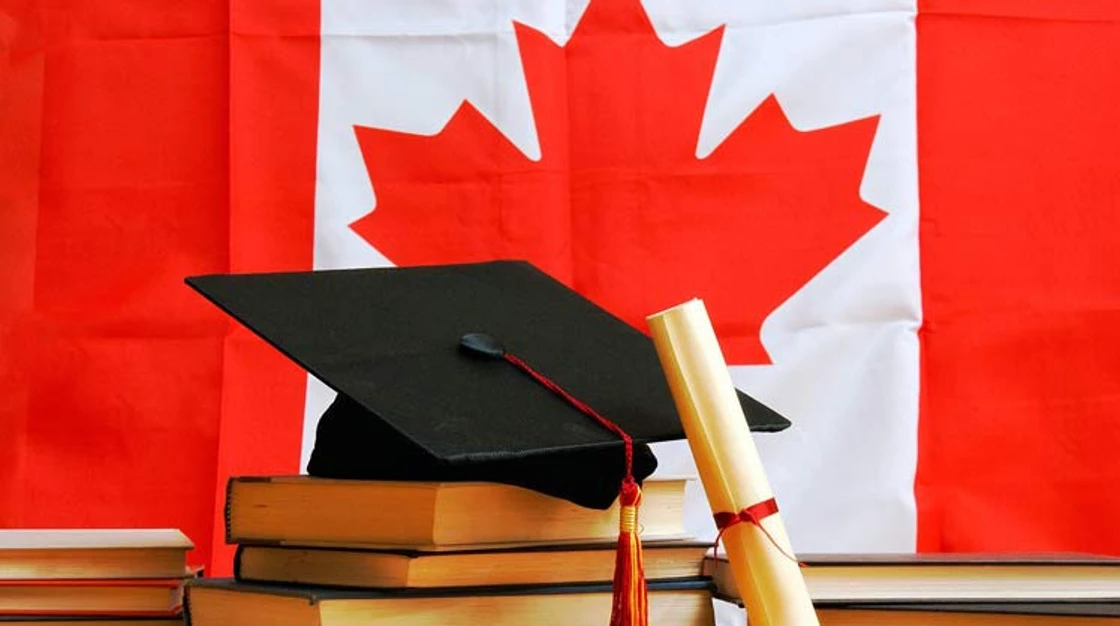
How Canada Education System Works
If you’re asking how canada education system works, the short answer is: education in Canada is largely run by provinces and territories, with each jurisdiction setting curricula, school-age rules, and certification. While the federal government and national bodies support Indigenous education, funding transfers and national data. This article explains the K–12 structure, provincial responsibilities, Indigenous education programs, post-secondary pathways, typical costs, and where to find up-to-date 2025 information. (CMEC)
Who is responsible — provinces & territories lead K–12 education
A defining fact about how canada education system works is that each of Canada’s 13 provinces and territories has constitutional responsibility for kindergarten through Grade 12 schooling. That means provincial/territorial ministries set curricula, teacher certification rules, school calendars. And compulsory-schooling ages; there is no single national school system. National organizations and the federal government play coordinating and support roles, but day-to-day education policy is provincially driven. (CMEC)
K–12 structure — kindergarten, elementary, secondary and graduation
K–12 schooling typically follows this pattern across provinces (with some local variation in names and age cutoffs):
- Kindergarten/early years: Most provinces offer kindergarten (half- or full-day programs) for four- or five-year-olds; uptake is high even where programs are not mandatory.
- Elementary/primary: Usually Grades 1–6 (or 1–8 in some jurisdictions).
- Secondary: Usually Grades 7–12 or Grades 9–12 depending on province; students graduate with a provincial diploma once they meet credit and course requirements.
- Compulsory attendance: Children must attend school (age ranges vary by province, commonly from about age 5–6 up to 16–18). These shapes the practical reality of how canada education system works for families and schools. (CMEC)
Curriculum and standards — local control, national collaboration
Because provinces control curriculum, what students learn in math, language, social studies and sciences can differ in sequencing and emphasis. However, provinces and territories frequently collaborate through bodies like the Council of Ministers of Education, Canada (CMEC) to compare outcomes, share best practices, and support interprovincial portability of credentials. This provincial leadership explains both the variation parents see between jurisdictions and the common standards Canadians expect across schools. (CMEC)
Indigenous education — federal roles and 2025 program guidelines
Indigenous education adds an important layer to how canada education system works. For First Nations students on reserve, the federal government (through Indigenous Services Canada) delivers funding and program guidelines. Notably, the Elementary and Secondary Education Program updated national program guidelines effective April 1, 2025, to support First Nations-led education, consistent with calls for Indigenous control of education and culturally appropriate programming. These federal guidelines set funding rules and minimum delivery requirements while emphasizing community-driven approaches. (Indigenous Services Canada)
Special programs: French language, Indigenous languages, and special education
Provinces run and fund programs for official-language minority education (French in anglophone provinces and English in Quebec), Indigenous language revitalization initiatives, and special education services for students with diverse needs. Provincial ministries publish policies for inclusion, learning supports and accommodations — important pieces of how the system serves students with different needs.
Post-secondary education — colleges, universities and vocational training
Post-secondary in Canada includes universities (degree-granting), colleges/CEGEPs/technical institutes (applied programs and diplomas), and private career colleges. Admission pathways commonly move from high-school diplomas to college diplomas or university degrees, and many students combine college-to-university transfers. Fees are set by institutions and influenced by provincial regimes. Tuition levels and program availability vary substantially by province and program. National summaries and university-level tuition tables (2024–25) are published by Universities Canada and provincial authorities. (Universities Canada)
Costs and tuition — what students can expect in 2024–25 and 2025 signals
Tuition for Canadian undergraduate students varies by program and province. Universities Canada publishes university-level tuition data (2024–25) showing significant interprovincial variation and substantially higher fees for international students. Many provinces provide student aid, grants and loan programs. Provinces also regulate some tuition increases. When planning for post-secondary costs, check university and provincial student-aid sites for the latest 2025 rates and available grants. (Universities Canada)
Teachers, certification and labour issues
Teacher certification is a provincial responsibility: ministries set qualifications, credentialing rules and professional standards. Teacher labour negotiations, recruitment (especially for rural and northern communities) and retention are recurring policy issues that shape classroom capacity and program delivery — a practical element of how canada education system works on the ground.
Data, performance and where to look for up-to-date info
Because the system is decentralized, authoritative data and policy announcements come from provincial ministries, CMEC, Statistics Canada and federal departments (for Indigenous programming). For example, provincial ministry plans and annual reports (e.g., Ontario’s 2024–25 ministry reports) publish current priorities and performance targets. CMEC provides national overviews and comparative data. Use these official sources when you need the latest, jurisdiction-specific information. (Ontario)
Practical tips for parents, newcomers and students
- Newcomers: Contact the local school board or provincial registration office — each province posts step-by-step enrolment guidance.
- Parents: Read your province’s curriculum guides and school board resources to track what your child will learn and how progress is measured.
- Students: For post-secondary planning, consult university/college admission pages and Universities Canada tuition tables, and explore provincial student-aid programs early. (Universities Canada)
Final takeaway
Understanding how canada education system works means accepting that education is primarily a provincial responsibility, with important federal roles for Indigenous education and national data/collaboration. That decentralization gives provinces flexibility. And also means families and students must look to provincial ministries and local school boards for the most current rules, programs and funding in 2025. For authoritative, up-to-date details, check your provincial ministry of education, CMEC and the federal Indigenous Services Canada pages linked above. (CMEC)
Follow TNN for more CANADA NEWS TODAY!
About The Author
