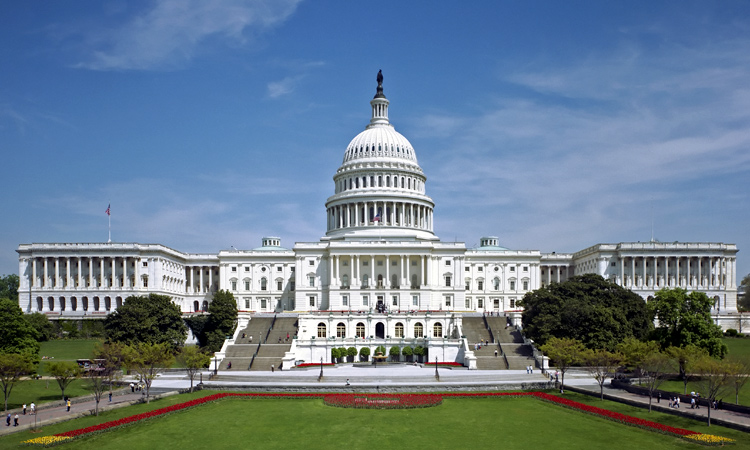
How the U.S. Federal Government Works?
The phrase how us federal government works captures the central question many citizens ask about who makes decisions in Washington and how those choices affect daily life. This guide explains, in plain language, the structure of the federal government, the three branches and their roles, the checks and balances that limit power, and the basic path of how a law is made. If you’re looking for a clear overview of how the U.S. federal government works, you’re in the right place.
The foundation: the U.S. Constitution
The U.S. Constitution is the written framework that explains how the U.S. federal government works. Adopted in 1787 and ratified in 1788, the Constitution sets out the structure of the national government, assigns powers, and protects individual rights. Key principles include separation of powers, federalism (division of powers between national and state governments), and a system of checks and balances so no single person or institution becomes too powerful.
The three branches — an overview
A core reason Americans study how us federal government works is to understand the three-branch system created by the Constitution:
1. Legislative Branch (Congress)
The legislative branch makes federal law. Congress is bicameral — it has two chambers:
- House of Representatives: 435 members, elected every two years. Representation is based on state population.
- Senate: 100 members (two per state), serving six-year staggered terms so about one-third of the Senate is up for election every two years.
Congress drafts, debates, and votes on bills. It also controls federal spending, can declare war, and holds oversight authority over the executive branch.
2. Executive Branch (President and Administration)
The executive branch carries out and enforces federal laws. It is headed by the President of the United States, who serves a four-year term and may be re-elected once. The president:
- Directs foreign policy and serves as commander-in-chief of the armed forces.
- Signs bills into law or vetoes them.
- Appoints cabinet members, federal judges, and ambassadors (many appointments require Senate confirmation).
- Oversees federal agencies that implement laws and regulations.
The executive branch also includes the Vice President and the President’s Cabinet — leaders of major departments like Defense, State, and Treasury — plus dozens of federal agencies (e.g., EPA, FDA).
3. Judicial Branch (Federal Courts)
The judicial branch interprets the Constitution and federal laws. The Supreme Court is the highest court and has the power of judicial review — the ability to decide whether laws or executive actions are constitutional. Below the Supreme Court are the U.S. Courts of Appeals and the U.S. District Courts, which handle federal cases and disputes.
Checks and balances: limiting power
Understanding how us federal government works requires seeing how powers are balanced. Each branch can check the others:
- Congress can pass laws, override presidential vetoes with a two-thirds vote in both chambers, approve appointments, and impeach and remove federal officials (including the president).
- President can veto congressional legislation and appoint judges and officials.
- Courts can rule laws or executive actions unconstitutional.
This system helps prevent abuse of power and encourages negotiation and compromise.
How a bill becomes a law — the basic path
A practical part of understanding how the U.S. federal government works is knowing how laws are made. The simplified steps are:
- Drafting and Introduction: A member of the House or Senate introduces a bill.
- Committee Review: The bill goes to a committee that studies it, holds hearings, and may amend it.
- Floor Debate and Vote: If approved by committee, the bill is debated and voted on by the full chamber (House or Senate).
- Other Chamber: If passed, the bill goes to the other chamber and follows similar steps.
- Conference Committee: If the House and Senate pass different versions, a conference committee negotiates a final version.
- Final Passage: Both chambers vote on the final text.
- President’s Desk: The president can sign the bill into law, veto it, or (in rare cases) let it become law without signature. Congress can override a veto with a two-thirds vote in both chambers.
The role of citizens
Knowing how us federal government works empowers citizens to participate. Voting in federal elections—every two years for the House, staggered Senate elections, and every four years for the presidency—is the most direct way to influence federal policy. Other civic actions include contacting representatives, participating in public comment periods on regulations, serving on juries, attending town halls, and staying informed through reliable news sources.
Federalism: national and state roles
While this guide focuses on the federal level, it’s important to note federalism: state and local governments primarily amanage many everyday services—education, policing, property laws. Constitution reserves those powers to states unless the federal government is given authority.
Final thoughts
If you want to understand how us federal government works, start with the Constitution and the idea of three co-equal branches. The system of checks and balances, the legislative process, and citizen participation all combine to shape governance in the United States. For practical civic engagement, follow congressional activity, understand how your representatives vote, and make your voice heard at elections and through direct contact with officials.
Follow TNN for more such informative content on US News Today.
About The Author
