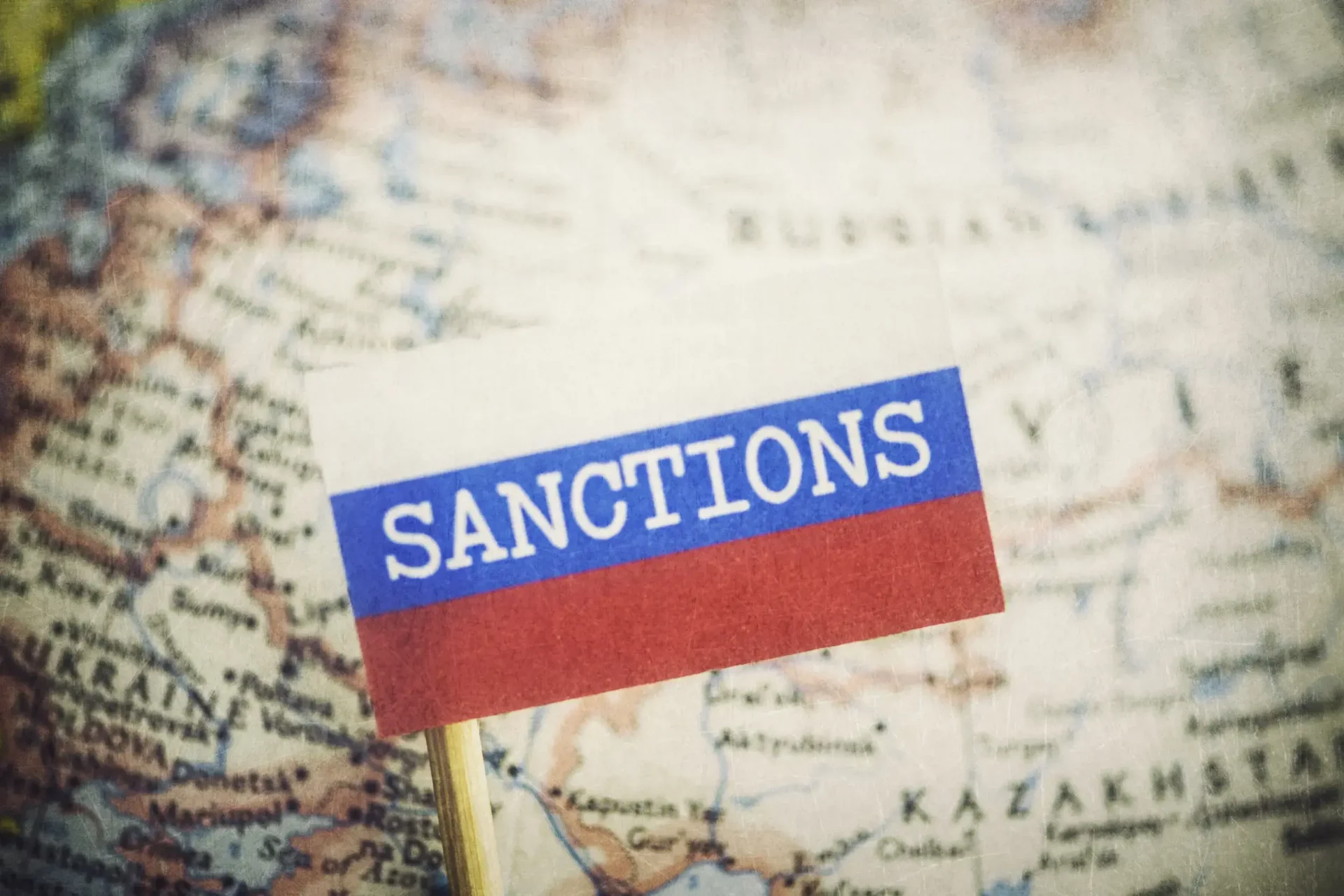
How Economic Sanctions Work
When people ask how economic sanctions work, they want a clear explanation of what sanctions do, who imposes them, and whether they actually change behavior. Sanctions are tools that states and international bodies use to alter a target’s incentives by restricting economic, financial, or travel links. They range from sweeping trade embargoes to highly targeted measures aimed at individuals, banks, or specific sectors. This article explains the mechanics, the institutions that design and enforce sanctions, typical sanctions measures, the enforcement and legal framework, and what research says about their effectiveness. (Council on Foreign Relations)
What sanctions are and why policymakers use them
At their core, economic sanctions are the withdrawal or restriction of customary commercial or financial relations to achieve foreign-policy or national-security goals — for example, to deter proliferation, punish aggression, or pressure governments to change abusive practices. Sanctions can be imposed unilaterally by a single country or multilaterally through organizations such as the United Nations; they can also be bilateral or coordinated among like-minded partners. Sanctions are attractive because they offer an intermediate option between diplomacy and military action. (USITC)
Who imposes sanctions — national authorities and international bodies
The two most important sanctioning authorities are national governments (through ministries of finance, foreign affairs, or designated offices) and multilateral bodies (notably the UN Security Council). In the United States, the Office of Foreign Assets Control (OFAC) administers and enforces U.S. sanctions programs, including maintaining lists of designated persons and issuing licensing guidance. On the multilateral side, the UN Security Council can adopt binding sanctions under Chapter VII of the UN Charter and establish committees to monitor implementation. Coordination among allies amplifies pressure and reduces opportunities for evasion. (OFAC)
Main types of sanctions and how they operate
Understanding how economic sanctions work requires distinguishing several common types:
- Comprehensive (countrywide) sanctions: These prohibit most trade and financial relations with an entire state (for example, long-standing embargoes). They are blunt instruments that can heavily damage an economy but also carry humanitarian and political costs. (Institute for Financial Integrity)
- Targeted (smart) sanctions: Designed to minimize humanitarian impact by focusing on individuals, companies, regime insiders, or specific sectors (e.g., energy, defense, finance). Targeted tools include asset freezes, travel bans, and prohibitions on doing business with named entities. (Institute for Financial Integrity)
- Sectoral sanctions: Restrictions that affect broad slices of an economy (banking, energy, or technology), often intended to limit a country’s ability to generate hard currency or to import critical inputs.
- Secondary/tertiary sanctions and extraterritorial measures: These penalize non-sanctioning third-party actors (foreign banks, companies) that continue certain transactions with the primary target; they increase pressure by raising the costs for intermediaries who might otherwise facilitate evasion.
Mechanically, sanctions work by denying the target access to markets, finance, critical inputs, or mobility — raising costs and constraining policy options. Enforcement relies on domestic law (penalties for violating sanctions), financial controls (screening transactions, blocking assets), and international cooperation (information-sharing, joint restrictions). (OFAC)
How enforcement and compliance work in practice
Sanctions are only effective if they can be enforced and if private actors comply. Enforcement tools include mandatory licensing regimes, mandatory blocking of assets listed in sanctions databases, and civil/criminal penalties for violations. Financial institutions and multinational companies run compliance programs (transaction screening, watchlist checks) to avoid prohibited dealings. Authorities publish guidance and lists (for example, OFAC’s SDN list) that obligate banks and firms to freeze assets and refuse transactions involving designated parties. Information sharing among regulators and cross-border investigations are central to limiting sanctions evasion. (OFAC)
Evasion, circumvention, and unintended impacts
A persistent question about how economic sanctions work is how targets evade them. Common evasion methods include using third-country intermediaries, trade misinvoicing, shell companies, alternate currencies, and informal financial networks. Pressure from secondary sanctions and international monitoring reduces some avenues but does not eliminate risk. Sanctions can also have unintended economic and humanitarian impacts, especially when they impede imports of medicines, food, or other essential goods — which is why designers try to carve out humanitarian exceptions and use targeted measures where feasible. (Institute for Financial Integrity)
Do sanctions work? Evidence and limits
The empirical record on effectiveness is mixed. Sanctions have sometimes produced policy change or bargaining leverage (notable historical examples include multilateral pressure tied to nuclear negotiations). However, outcomes vary widely by objective, target resilience, and international unity. Academic reviews and policy studies emphasize that sanctions are likelier to succeed when they are: (1) multilateral and well-coordinated; (2) narrowly tailored to credible demands; (3) backed by credible enforcement and alternative incentives; and (4) combined with clear diplomatic channels. Many studies also note that sanctions can entrench elites, shift suffering onto civilians, or be blunted by resource substitution and smuggling — so careful design and monitoring matter. (USITC)
Practical considerations for policymakers and businesses
For policymakers designing sanctions, the practical checklist includes defining clear, achievable goals; choosing measures that minimize humanitarian harm; coordinating with allies; planning enforcement and monitoring; and articulating exit conditions. For businesses, the responsibilities are compliance-driven: maintain up-to-date screening tools, follow licensing guidance, obtain legal counsel for ambiguous cases, and monitor supply chains for indirect exposure to sanctioned parties. Financial institutions must balance regulatory obligations with client service while keeping robust audit trails in case of investigations. (OFAC)
Final takeaway
In short, how economic sanctions work is both straightforward in concept and complex in practice. Sanctions withdraw economic and financial relations to change behavior, but their success depends on smart targeting, strong enforcement, international coordination, and minimizing collateral harm. Policymakers use a range of measures. From asset freezes and travel bans to sectoral and secondary sanctions. And rely heavily on financial regulatory systems, corporate compliance, and diplomatic unity to make sanctions bite. Evidence shows sanctions can be a powerful policy tool when carefully designed and enforced. But they are not a silver bullet and must be paired with diplomacy and contingency planning. (Council on Foreign Relations)
Follow TNN for more world news. Get latest updates on US news and Canada News Today!
About The Author
