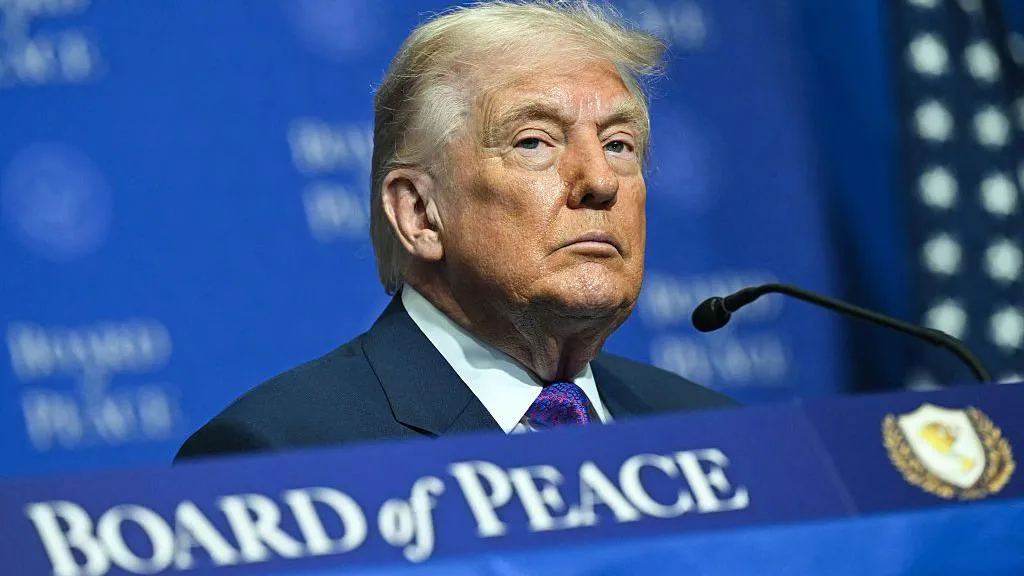
A Big Promise at the Board of Peace Launch
President Donald Trump opened the first meeting of the Board of Peace on Thursday with an optimistic tone about Gaza and a broader global role for the body. He said the board would not only focus on rebuilding Gaza but would also intervene in “hot spots” around the world. “We will help Gaza. We will straighten it out. We will make it successful. We will make it peaceful,” he said, calling the meeting “one of, if not the, most important day of our careers.”
Trump said board members had committed $7 billion for Gaza reconstruction and that the U.S. would put up $10 billion for the initiative. He described the U.S. pledge as small compared with the cost of war, but did not say where the money would come from. The White House did not respond to inquiries about funding.
Who Was There and What They Promised
The meeting at the Institute of Peace drew representatives from at least 40 countries and several heads of state. Among high-profile attendees were Hungarian Prime Minister Viktor Orbán and Argentine President Javier Milei. Several U.S. officials also took part, including Secretary of State Marco Rubio, Vice President JD Vance, U.S. special envoy Steve Witkoff and adviser Jared Kushner.
FIFA contributed $75 million for sports facilities, an initiative highlighted by a brief appearance from FIFA president Gianni Infantino. Trump said several countries pledged troops for a U.N.-authorized stabilization force for Gaza, naming nations like Indonesia, Morocco, Kazakhstan, Kosovo and Albania as participants.
Ambition and Allies — and Some Skepticism
Trump framed the board as a central part of his legacy and said it could do things “many other people couldn’t conceive or think of.” He also suggested the board would “almost be looking over” the United Nations to make sure it ran properly — a point that made some allies uneasy.
Some traditional U.S. partners declined to join, including the U.K., France, Norway and Sweden, though a few still sent envoys. Trump announced Norway had agreed to host a Board of Peace event, even though Norway initially reserved judgment about joining. The European Union said it would send commissioner Dubravka Šuica to the summit but would not join the board.
Trump also used the gathering to show international influence, name-checking allies and recent political endorsements. He handed out red MAGA-style hats to participants.
Concerns About Representation and Power
Human rights experts and some religious leaders criticized the board for lacking Palestinian representation on its Gaza executive board. Cardinal Pierbattista Pizzaballa called it “a colonialist operation: others deciding for the Palestinians.” Palestinian adviser to President Mahmoud Abbas said the Palestinian leadership rejected the arrangement but called it a “temporary arrangement” and “the lesser of two evils.”
A technocratic body, led by Palestinian official Ali Shaath and supervised by the Gaza executive board, is slated to handle day-to-day administration in Gaza. Still, the absence of Palestinians from key decision-making roles risked deepening divisions, especially after Israel joined the Board of Peace last week — an announcement made by Israeli Prime Minister Benjamin Netanyahu.
Plans on the Table for Gaza
A video shown at the meeting outlined a three-year plan to rebuild Rafah. And create a regional “gateway” linking Gaza with neighboring countries and beyond. By year 10, the video projected Gaza would be self-governed, integrated regionally, and have thriving industries and housing for all. Trump said the war in Gaza was “over,” while acknowledging small flare-ups continued.
The summit also discussed humanitarian assistance, the National Committee for the Administration of Gaza, and the proposed International Stabilization Force. Trump warned of possible U.S. action against Iran if negotiations failed and said more details could emerge over the next 10 days.
Diplomacy, Pushback and Next Steps
Some countries and institutions raised concerns about the board’s charter and its potential to overshadow the U.N. The Vatican declined to participate, and the pope was among those who turned down an invitation. Trump’s withdrawal of Canada’s invitation drew attention after Canadian leader Mark Carney criticized global disorder at the World Economic Forum.
Italy sent observers and offered to help train police in Gaza. Several nations committed personnel for an international stabilization effort. Meanwhile, questions linger about how many governments will commit $1 billion for permanent membership. And whether the board can win broad legitimacy.
What the Board of Peace Members Face Ahead
Implementing the ceasefire’s next steps, including demilitarization of Hamas, remains a major challenge. The board will also need to manage reconstruction amid ongoing humanitarian crises and displacement. Critics say without Palestinian representation and clear links to existing international law frameworks. The initiative risks being seen as top-down and politically driven.
Trump called the meeting a high point and stressed that board members can “do things many other people couldn’t conceive.” Whether the Board of Peace can translate pledges into lasting stability in Gaza and elsewhere is the test ahead.
Follow TNN for ongoing coverage of the board of peace and its members. Get the latest US news today and Canada news today.
About The Author
